

At 41 years old, I FINALLY dragged my out of shape body to my first Brazilian jiu jitsu (BJJ) lesson at a local BJJ gym near my neighborhood. BJJ is a skill I’ve wanted to learn for some time for fitness and self-defense purposes, and one that I want my kids to learn. It seems to be ‘the’ martial art for practical use, although one could make the case for learning other fighting sports including boxing, wrestling, or other grappling arts like judo. This post will be a guide of things that helped me along me new-to-BJJ journey. Keep in mind that they are from a complete beginner who knows very little– except what’s been helpful for me– so please chime in on the comments if you have things to add!
Find a gym and sign up for classes
Find a local BJJ gym near you that will be close enough that you’ll go consistently. Every class near me seemed to offer a free first class, so go ahead and try before you buy!
My gym had an intro set of classes for 6 weeks, two nights per week for an hour-ish per night for $250 + tax, and they threw in a free rash guard. I really liked the idea of a structured set of lessons that started & ended on specific dates, so that was great for me.
There were a few newbies + some more experienced folks that came for the first hour and stayed for the next ‘advanced’ class hour, working more on their own without the instruction and support that us newbies received.
Get your BJJ clothes
Your teacher will tell you what you need, which will either be a gi (about $100 or less for some intro brands), or if doing no-gi BJJ like my intro was, a short- or long-sleeve rash guard and grappling shorts or spats. At my gym, everyone was in rash guard + grappling shorts with a few ladies in spats (aka compression tights.)
Per Definitive’s website “wear a tighter fitting athletic shirt, either short or long-sleeve, and a pair of shorts and/or leggings. Tank tops are not recommended since it is best to be more covered than less covered. For shorts, try to wear ones with no pockets, and if the shorts are looser, wear spandex shorts or leggings underneath.”
Prepare for class
Dress appropriately (see above) with no pockets/zippers/buttons for people to get hurt by.
Hygiene
Take a shower/be clean. Brush your teeth beforehand so your breath is ok. I try to mop my sweaty brow between exercises for the benefit of my partners… Keep your fingernails & toenails cut short so you don’t scratch people.
Make sure your gym clothes are laundered in between classes so your clothes don’t stink either.
No shoes on the mat! You’ll be in bare feet on the mat. Flip flops up to the mat so you can step back into them before going to the bathroom etc.
Etiquette
Seems like US-based BJJ is very informal, but ask your instructor for any gym-specific tips like any traditional stuff (bowing, say) and titles to address people by (professor, sensei, master, or just first name like at my gym?)
Show up and learn!
Do as much practice as you can. For me, the exercises and movements were brand new and unnatural, and I needed plenty of help and from the instructor to give me the basics. Like any physical sport or hobby, ya just gotta do it a lot to start to figure it out and know what it should feel like. It’s a lot of hip movement on the mat, which is not how I’m used to moving for other sports I played.
Get your BJJ friends to practice with you too
I’m lucky to have a couple friends & family members who are long-time BJJ folks. I try to hit them up for advice and practice when I see them.
Optional: supplemental videos, guidance, and workouts
I found it instructional to watch some intro videos and read some guides for new BJJ students.
Written guides
Helpful reddit r/bjj post for white belts, and the r/bjj beginner’s guide wiki.
Some useful excerpts from the above: “Knowing how a technique works will allow you to apply it properly. Knowing why you squeeze your thighs together for an armbar will reveal how exactly the techniques work and will ingrain it in your brain”.
Belt system
If you’re interested in learning about the belt system in BJJ, this and this are helpful, or wikipedia.
Videos
What to know before your first class (Gracie JJ Ohio) – includes etiquette tips
6 techniques to know (Rener Gracie)
3 BJJ principles: #1 Keep your elbows in; makes you stronger w/ them close to your body, and try to get the other guys’ elbow away from their body.
#2 Inside position: your limbs inside the other person.
#3: structure and frames: resisting opponents moves w/o using any strength, usually because you’re using your own skeleton. Keeping your skeleton aligned against your opponent, or with the ground, so opponent is trying to push through your skeleton into the ground.
3 important techniques for a white belt (that’s you, Beginner!)
‘Complete Guide’ to Beginner’s BJJ
Do some complementary fitness training
I’ve always liked weight-lifting, so I’m trying to get back into lifting as well as doing some more cardio like strenuous hiking. My abs/core were super weak when I started, so do some sit-ups/crunches/pull-ups/push-ups if you wanna strengthen that up!
Weight-traininG
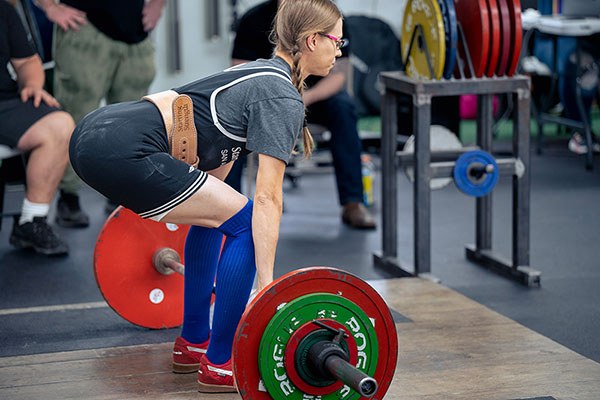
I highly recommend this set of youtube videos with Mark Rippetoe & Art of Manliness. Form is critical to injury-free lifts, which at my age is a key concern! I do a mix of dead lifts, squats, overhead press (OHP), rows, and bench. If you have space for a barbell and weights, you can do dead lift, OHP and rows and any auxiliary work like curls, without even having a bench or squat rack.
Principles I’ve learned so far
- Distance-management: you generally want to be either ‘all the way out, or all the way in’ in order to not be in a position where someone can strike you.
- Inside grips: When taking ‘grips’ (hands on people), you generally want the inside position, like inside someone’s bicep, or hands underneath their armpits, or on their wrists. If you have two hands on someone’s arm, you want your inside hand to be on their wrist/furthest ‘down’ their arm.

I have been doing jiu jitsu for 5 years